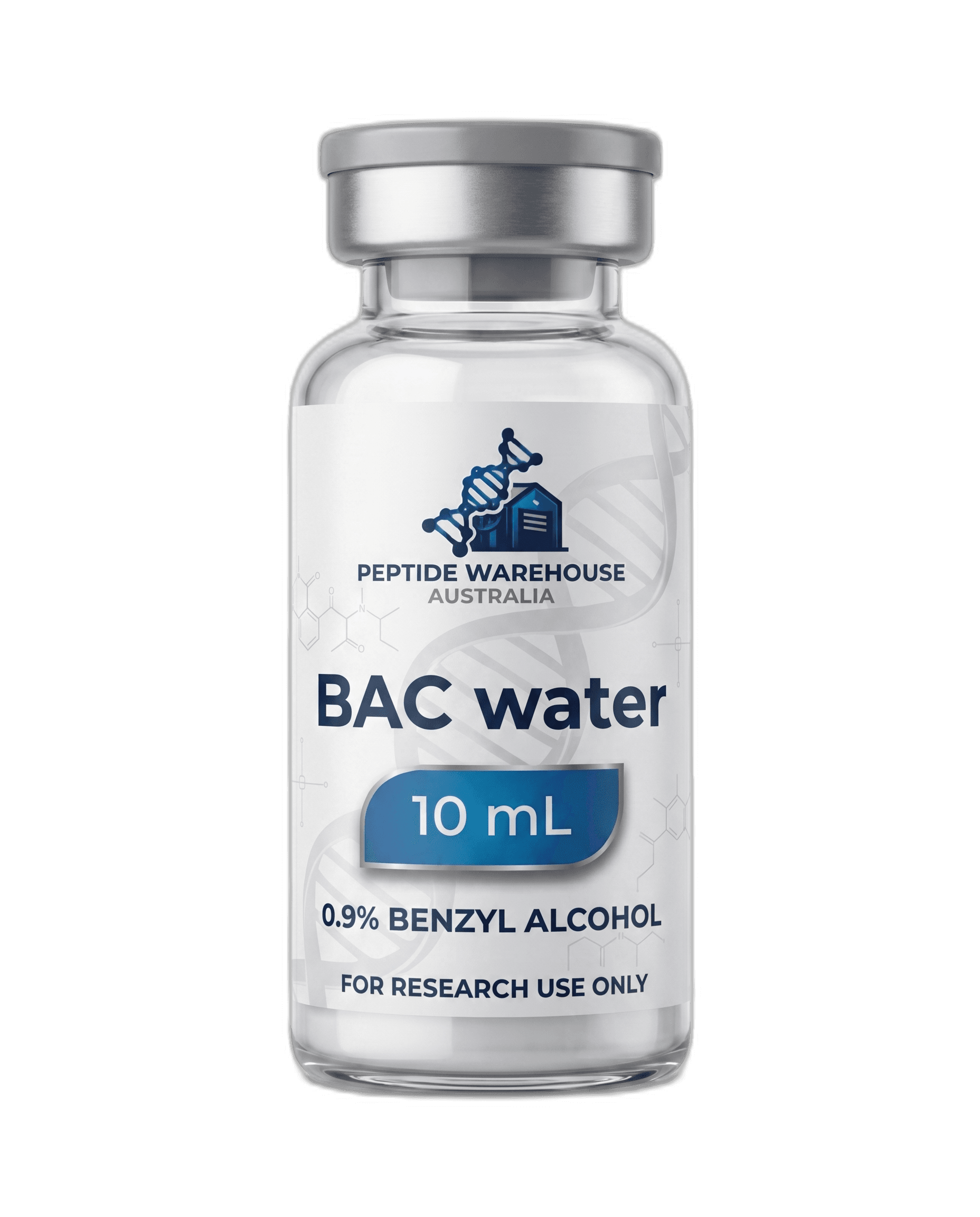
BAC Water
10mLLab Supplies
Pharmaceutical-grade bacteriostatic water 10mL for peptide reconstitution. Contains 0.9% benzyl alcohol preservative. Essential for lyophilised peptide research protocols.
$17.99AUD
Free shipping over $199
Out of Stock
✓Free shipping on orders over $199 AUD
✓Australia Post tracked — Standard $8.99 / Express $13.99
✓Same-day dispatch on orders placed before 12PM AEST (next business day after)
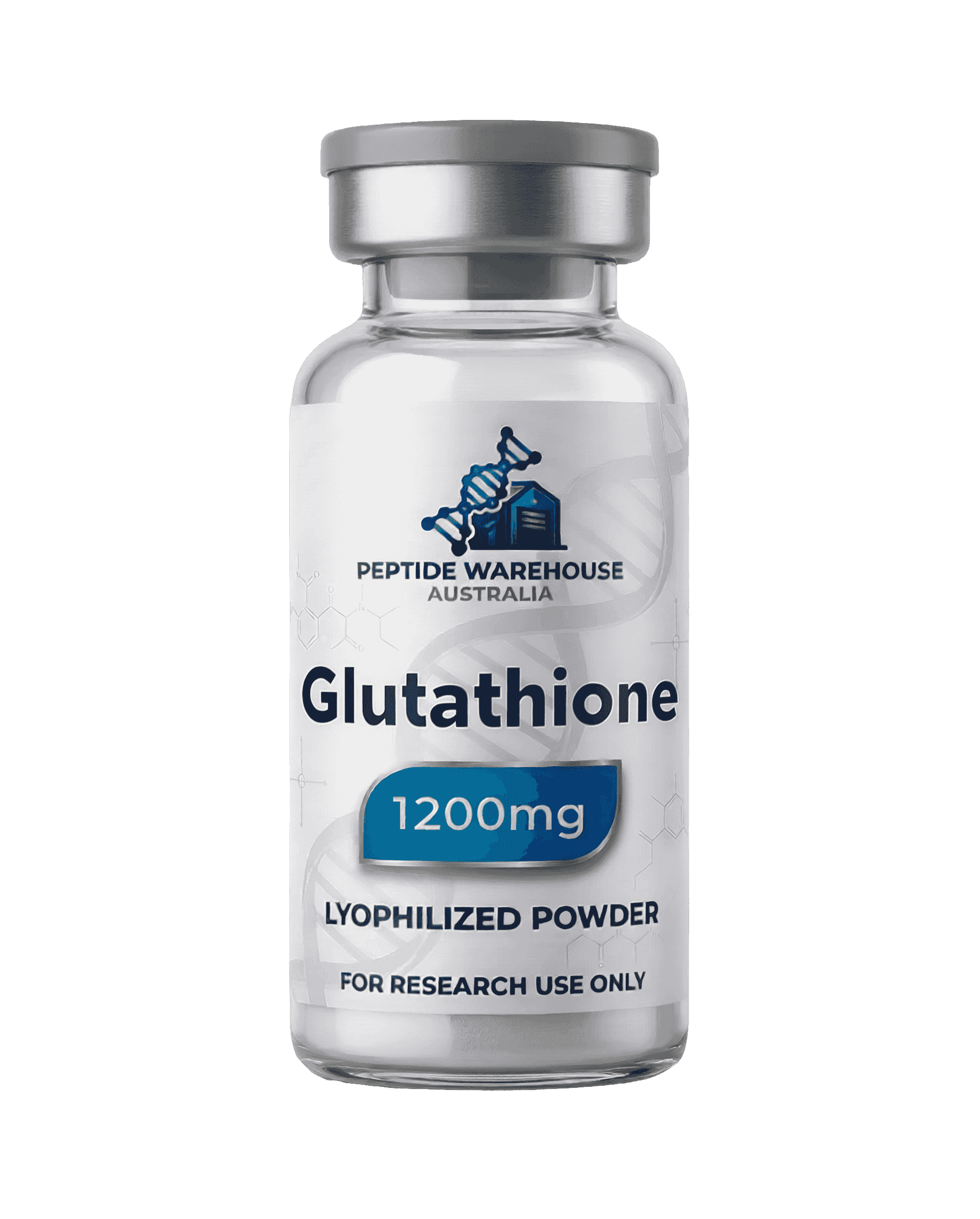
Glutathione is available in Australia from Peptide Warehouse Australia with fast domestic shipping to all states and territories.
Glutathione is the most abundant endogenous antioxidant in mammalian cells. Found in virtually every cell type, it acts as the cell's primary defence against oxidative damage — neutralising reactive oxygen species and playing a central role in hepatocyte redox biology (Lu, Biochim Biophys Acta 2013). In research, it is used to study cellular oxidative stress responses, hepatocyte toxicity models, and how antioxidant capacity changes in disease and ageing models. The 1200mg high-dose format is designed for extended cell culture work, large-scale assays, and research programmes with high throughput requirements.
⚠ For in-vitro laboratory research use only. Not approved for human or veterinary use. Not drugs, food supplements, or cosmetics. Not evaluated or approved by the TGA. You must be 18 years of age or older to purchase. By placing this order, you confirm you are a qualified researcher and will use this compound strictly in accordance with all applicable Australian laws and regulations.
Glutathione (GSH) is the tripeptide gamma-glutamyl-cysteinyl-glycine and the body's principal intracellular antioxidant. It is studied as a research substrate for redox balance, detoxification enzymology and cysteine-thiol signalling.
| Purity | 99.933% (HPLC) |
|---|---|
| Compound Class | Endogenous tripeptide |
| CAS Number | 70-18-8 |
| Molecular Weight | 307.32 Da |
| Molecular Formula | C₁₀H₁₇N₃O₆S |
| Amino Acid Sequence | γ-Glu-Cys-Gly |
| Testing | HPLC purity + mass spectrometry identity, COA verified |
| Storage | Lyophilised: −20°C · Reconstituted: 2–8°C, use within 28 days |
| Research Use | In-vitro laboratory research use only |
Glutathione (L-Glutathione, GSH, CAS 70-18-8, molecular formula C10H17N3O6S) is a tripeptide (gamma-Glu-Cys-Gly) and the most abundant intracellular antioxidant in human cells. Its core function is to neutralise reactive oxygen species (ROS) by donating electrons via its cysteine thiol group. It is regenerated from the oxidised form (GSSG) by glutathione reductase using NADPH — forming the glutathione redox cycle. In research, glutathione is used in oxidative stress models, detoxification assays, cell viability studies, neuroprotection experiments, immune cell function research, and as a reference compound in redox biology. It is one of the most fundamental tools in cellular biochemistry. For research use only.
GSH (reduced glutathione) is the active antioxidant form with a free thiol group (-SH) on the cysteine residue. It donates electrons to neutralise ROS and is regenerated by glutathione reductase. GSSG (oxidised glutathione) is the disulphide-linked dimer formed when two GSH molecules donate electrons. The GSH:GSSG ratio is the primary cellular redox state marker — a high ratio indicates a healthy, reduced cellular environment; a low ratio indicates oxidative stress. Our product is the reduced form (GSH). For accurate redox research, reconstituted GSH should be stored under inert conditions to minimise spontaneous oxidation to GSSG. Not for human consumption — for research use only.
GSH oxidises spontaneously when its thiol group reacts with atmospheric oxygen to form GSSG. This is accelerated by heat, light, metal ion catalysts (Cu²⁺, Fe³⁺), alkaline pH, and air exposure. To minimise oxidation: store lyophilised powder at −20°C in the dark; reconstitute only the volume needed; acidify the solution to pH 5–6 if protocol allows; store reconstituted solution under nitrogen gas if possible; avoid repeated freeze-thaw cycles. For in-vitro assays, prepare fresh working solutions on the day of the experiment. Yellowing of the reconstituted solution indicates oxidation — discard if colour has changed. Not for human consumption — for research use only.
Glutathione is used across many in-vitro and in-vivo research models: hepatocyte toxicity and drug-induced liver injury assays (DILI models); glutathione S-transferase (GST) enzyme activity assays; lymphocyte proliferation and NK cell activity studies; GSSG/GSH ratio measurement by DTNB assay or LC-MS/MS; neuronal oxidative damage models (Parkinson's, Alzheimer's preclinical models); cardiomyocyte ischaemia-reperfusion injury experiments; skin cell UV-radiation damage models; and mitochondrial glutathione (mGSH) research in ageing. It is also used as a positive control in antioxidant capacity assays (ORAC, FRAP, ABTS). Not for human consumption — for research use only.
Reconstitution: Glutathione is highly water-soluble. Draw the required volume of bacteriostatic water and inject slowly into the vial; swirl gently. For a 1200mg vial: 12mL BAC water = 100mg/mL; 24mL = 50mg/mL. Reconstituted glutathione is susceptible to oxidation — work quickly, minimise air exposure, store in the dark at 2–8°C, and use within 2 weeks. For long-term storage of reconstituted solution, aliquot into single-use volumes and freeze at −80°C under inert gas where possible. Discard if the solution has yellowed. Not for human consumption — for research use only.
Glutathione is legal to purchase in Australia for legitimate laboratory research purposes. As an endogenous tripeptide synthesised naturally in mammalian cells, it is not a scheduled substance when sold for research use. Purchasers must confirm research-only use. Our Glutathione 1200mg is supplied as a research compound with 99.0% HPLC purity and full COA documentation. Peptide Warehouse Australia dispatches nationwide from our Melbourne warehouse via Australia Post. Not for human consumption in this lyophilised research form.
Glutathione exists in a reduced (GSH) and an oxidised (GSSG) form, and the GSH/GSSG ratio is a widely used research marker of cellular redox state. Research-grade glutathione is studied as the master intracellular antioxidant in oxidative-stress models. Not for human consumption — for research use only.
Glutathione is studied across oxidative-stress, detoxification and cellular-redox research, where it participates in neutralising reactive oxygen species and supporting phase-II conjugation pathways in cell models. These are mechanistic research contexts, not evidence of any human benefit. Not for human consumption — for research use only.
Glutathione is also written GSH, L-glutathione or reduced glutathione. For in-vitro research use only.
Researchers typically pair Glutathione with these reconstitution essentials.
Pharmaceutical-grade bacteriostatic water 10mL for peptide reconstitution. Contains 0.9% benzyl alcohol preservative. Essential for lyophilised peptide research protocols.
Free shipping over $199

Sterile 31G insulin needles for research use — individually wrapped, single-use. Choose from 10, 20, 50 or 100 pack.
Free shipping over $199
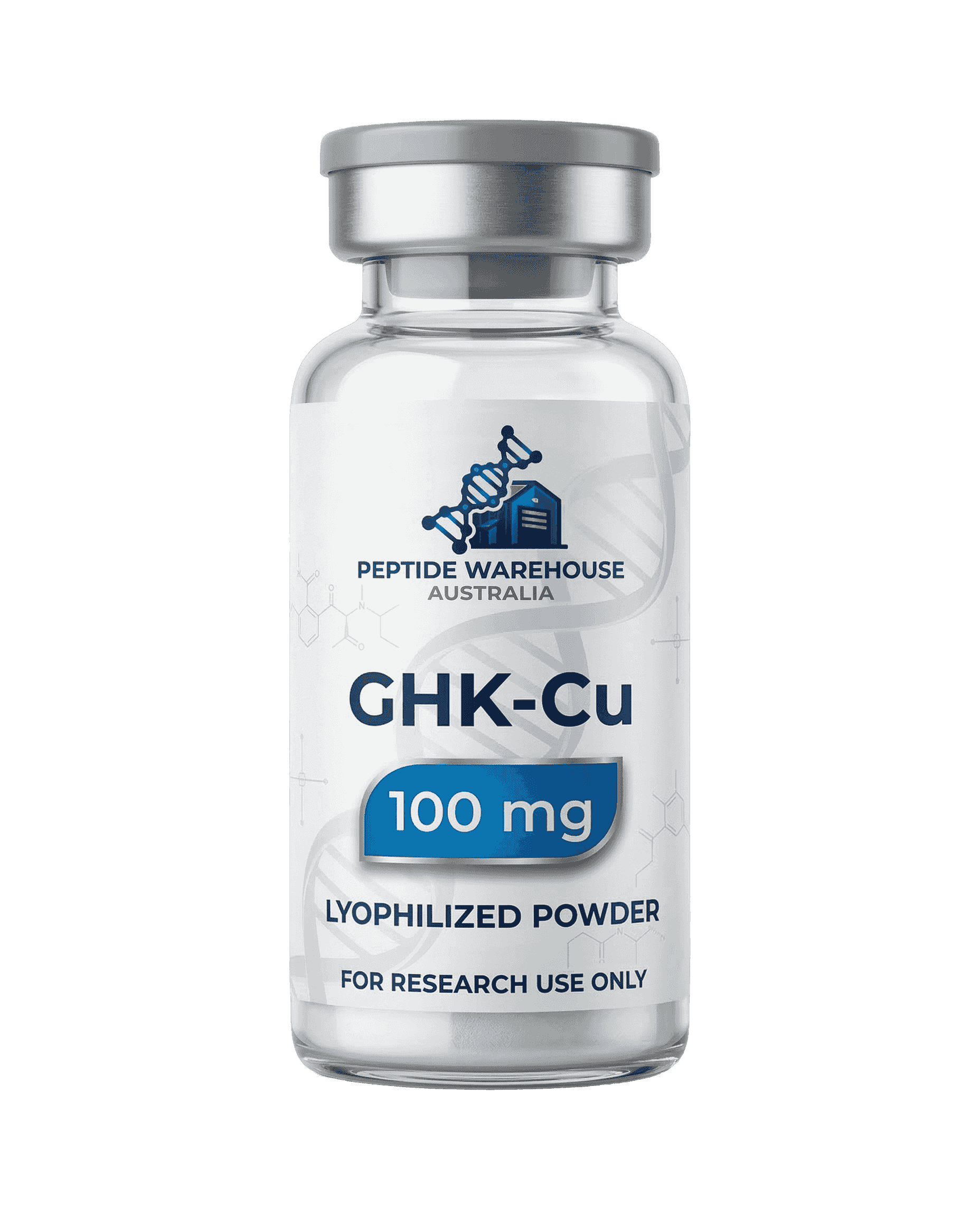
Research-grade GHK-Cu 100mg lyophilised powder — 99.3% HPLC purity, COA verified. Copper peptide complex for wound healing and skin research.
Free shipping over $199
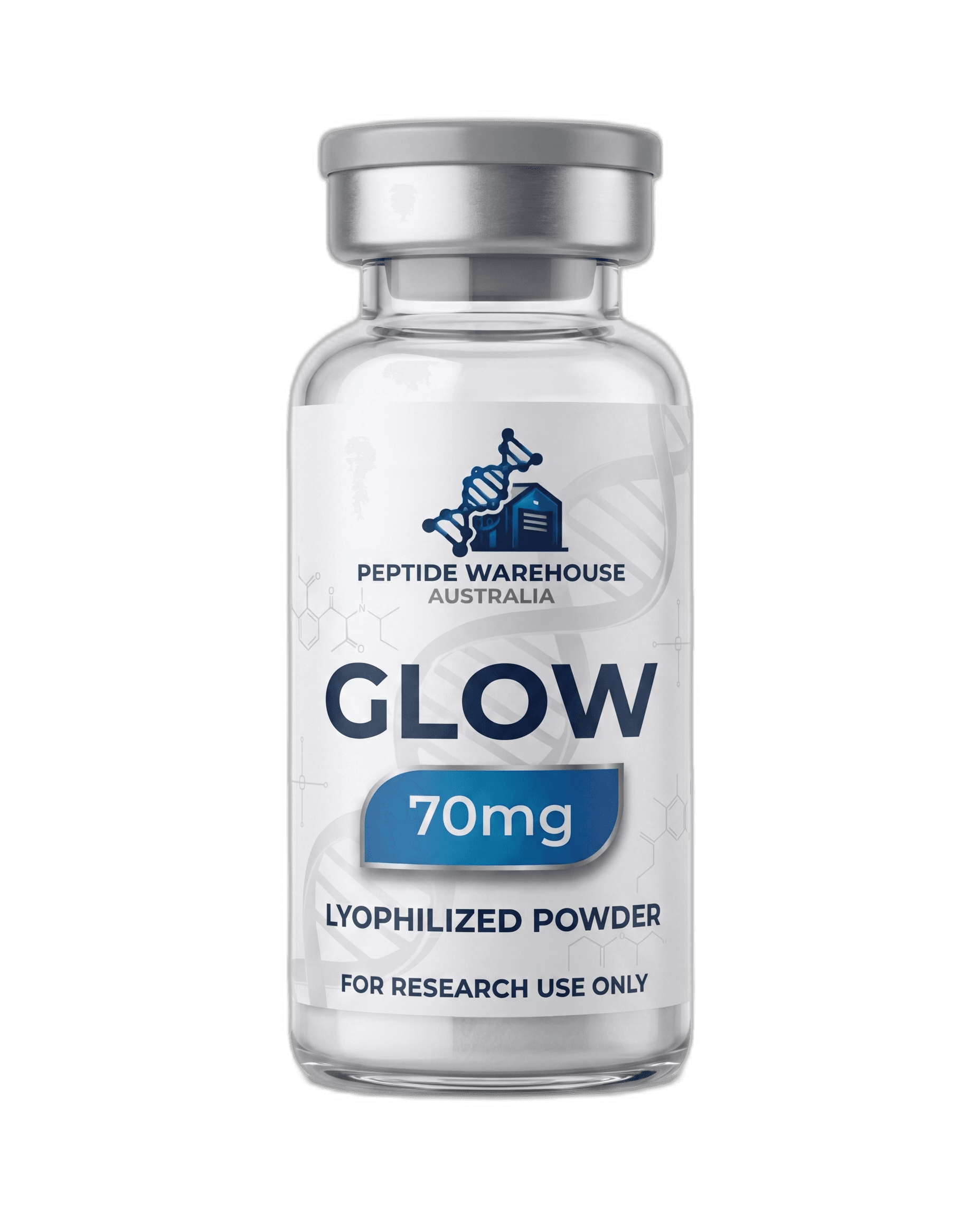
GLOW 70mg — tri-peptide research blend (GHK-Cu, BPC-157, TB-500) studied in skin-repair and tissue-recovery research. ≥99% HPLC purity, COA verified.
Free shipping over $199
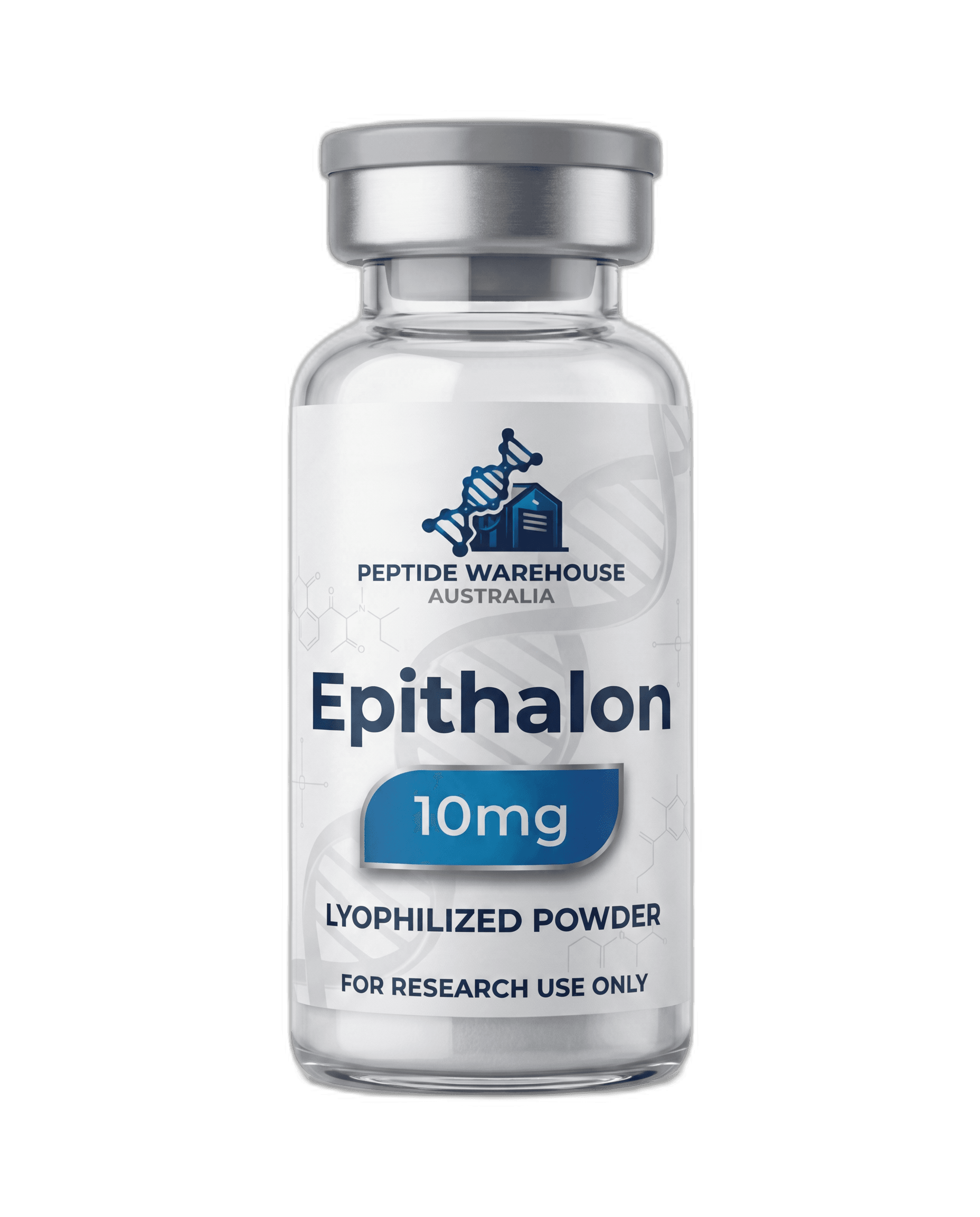
Epithalon (Epitalon, AEDG) — tetrapeptide studied in telomerase and cellular-ageing research. ≥99% HPLC purity, COA verified.
Free shipping over $199
What Is NAD+? Cellular Energy and Longevity
An in-depth review of NAD+ (nicotinamide adenine dinucleotide) research covering its role in cellular energy metabolism, DNA repair, sirtuin biology, and ageing research.
Research deep-dive →How to Reconstitute Peptides: A Step-by-Step Guide
Learn the correct technique for reconstituting lyophilised research peptides using bacteriostatic water for accurate, contamination-free preparations.
Step-by-step guide →Peptide Storage Guide: How to Maximise Stability
Proper storage is critical to maintaining peptide integrity. Learn the correct temperature requirements and handling practices for lyophilised and reconstituted peptides.
Read full article →Part of our
Skin & Cellular Research research collection →Or use our Peptide Calculator to work out reconstitution and syringe units for this compound.
Pricing, stock, and COA last verified June 2026
Your cart is empty
Add some research peptides to get started.