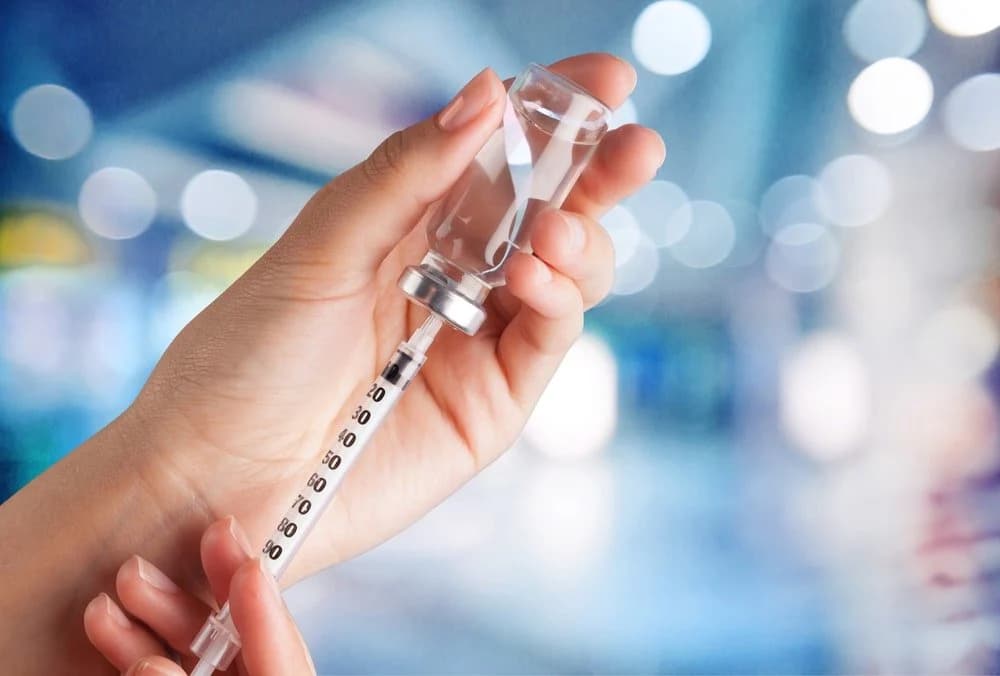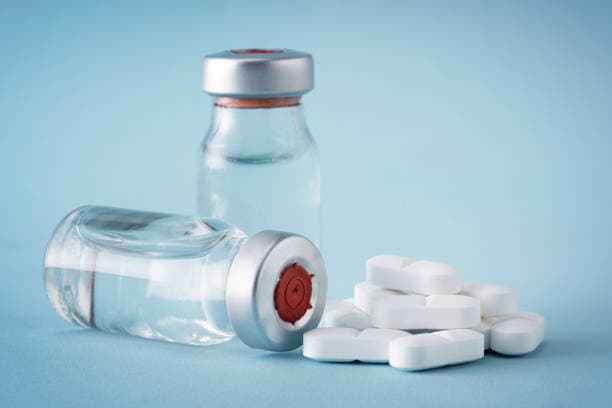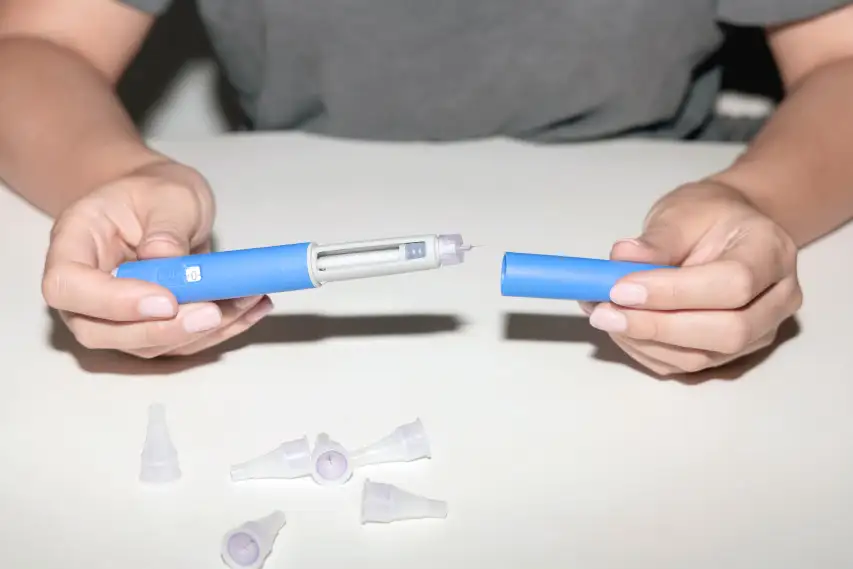
How to Reconstitute Peptides: A Step-by-Step Guide
Learn the correct technique for reconstituting lyophilised research peptides using bacteriostatic water for accurate, contamination-free preparations.
Research guides, storage protocols, compound comparisons, and Australian compliance information for laboratory professionals.

Learn the correct technique for reconstituting lyophilised research peptides using bacteriostatic water for accurate, contamination-free preparations.

Proper storage is critical to maintaining peptide integrity. Learn the correct temperature requirements and handling practices for lyophilised and reconstituted peptides.

A technical comparison of three GLP-1 receptor-targeting compounds: single, dual, and triple agonist mechanisms in preclinical and clinical research.

HPLC (High-Performance Liquid Chromatography) is the gold standard for peptide purity verification. Learn what it measures, why 99%+ matters, and how to read a COA.

A comprehensive review of preclinical BPC-157 research including its studied mechanisms, molecular structure, and key findings from published literature.

A clear explanation of the legal status of research peptides in Australia, including relevant legislation, permitted uses, and what buyers need to know.

A comprehensive research overview of the leading GLP-1, GIP, and glucagon receptor agonist peptides available in Australia for metabolic and fat loss research in 2026.

A detailed review of GHK-Cu (glycyl-L-histidyl-L-lysine copper complex) preclinical research, mechanisms, and protocols for tissue repair and skin biology research.

A comprehensive review of Semax, the ACTH-derived synthetic heptapeptide studied for neuroprotective, neurotrophic, and cognitive effects in preclinical research.

An in-depth review of NAD+ (nicotinamide adenine dinucleotide) research covering its role in cellular energy metabolism, DNA repair, sirtuin biology, and ageing research.

Everything Australian researchers need to know when sourcing peptides: quality standards, COA verification, legal compliance, shipping, and what separates research-grade from low-quality suppliers.

A technical comparison of subcutaneous injection versus oral delivery for peptide research compounds — covering bioavailability, stability, degradation mechanisms, and protocol design.

A step-by-step guide to calculating peptide concentrations, reconstitution volumes, and working dilutions for research protocols — with worked examples for common research peptides.

Research peptides come as lyophilised powder in vials, not pre-filled pens like clinical GLP-1 medications. Here's the science and regulatory reasoning behind why — and what it means for your research setup.

A detailed breakdown of what Retatrutide research costs per month in Australia, including vial pricing, required supplies, and how to calculate a cost-per-dose for your protocol.

Eli Lilly's TRIUMPH Phase 3 programme has delivered the most significant weight loss data ever recorded in a pharmaceutical trial. Here is what researchers need to know about the 2026 results.

TB-500 is a synthetic peptide fragment of thymosin beta-4, studied for its roles in angiogenesis, actin regulation, and tissue repair. Here is what the current research shows.

CJC-1295 and Ipamorelin are two growth hormone secretagogues that act on distinct receptor pathways. Together they are the most studied GH peptide stack in current research literature.

MOTS-c is a 16-amino-acid peptide encoded by mitochondrial DNA and studied for its roles in metabolic regulation, exercise physiology, and age-related decline. Here is what the science shows.

Melanotan I and Melanotan II are both synthetic melanocortin analogues, but they have different receptor selectivity profiles, structures, and research applications. Here is what the science shows.

Selank is a synthetic heptapeptide derived from tuftsin, developed by Russian researchers and studied for anxiolytic effects without sedation, BDNF elevation, and calm cognitive performance in preclinical models.

KPV is a tiny three-amino-acid peptide derived from alpha-MSH, studied in preclinical models for targeted gut inflammation reduction via intracellular NF-κB inhibition — without the broad immunosuppression of steroids.

Tesamorelin is a stabilised full-sequence GHRH analogue that stimulates the pituitary's own growth hormone — studied for visceral fat reduction through GH-driven lipolysis, distinct from appetite-suppressing GLP-1 compounds.

Ipamorelin is a third-generation GHS-R1a agonist that triggers pulsatile growth hormone release without the cortisol and prolactin co-secretion that limited earlier GHRP compounds — making it a cleaner research tool for GH axis studies.

A head-to-head research comparison of Selank and Semax — two Russian-derived neuropeptides with distinct mechanisms: Semax for cognitive activation via BDNF upregulation and Selank for anxiolytic calm focus via GABA modulation.

A comprehensive pharmacokinetic reference covering plasma half-lives of BPC-157, TB-500, Semax, Selank, Ipamorelin, CJC-1295, Tesamorelin, Retatrutide, and more — and what half-life means for research protocol design.

A complete breakdown of Retatrutide pricing in Australia for 2026 — cost per vial, per milligram, and per research protocol, with context on what drives the price of research-grade material.
Browse our full range of independently tested research peptides, dispatched Australia-wide.
Shop Research PeptidesYour cart is empty
Add some research peptides to get started.