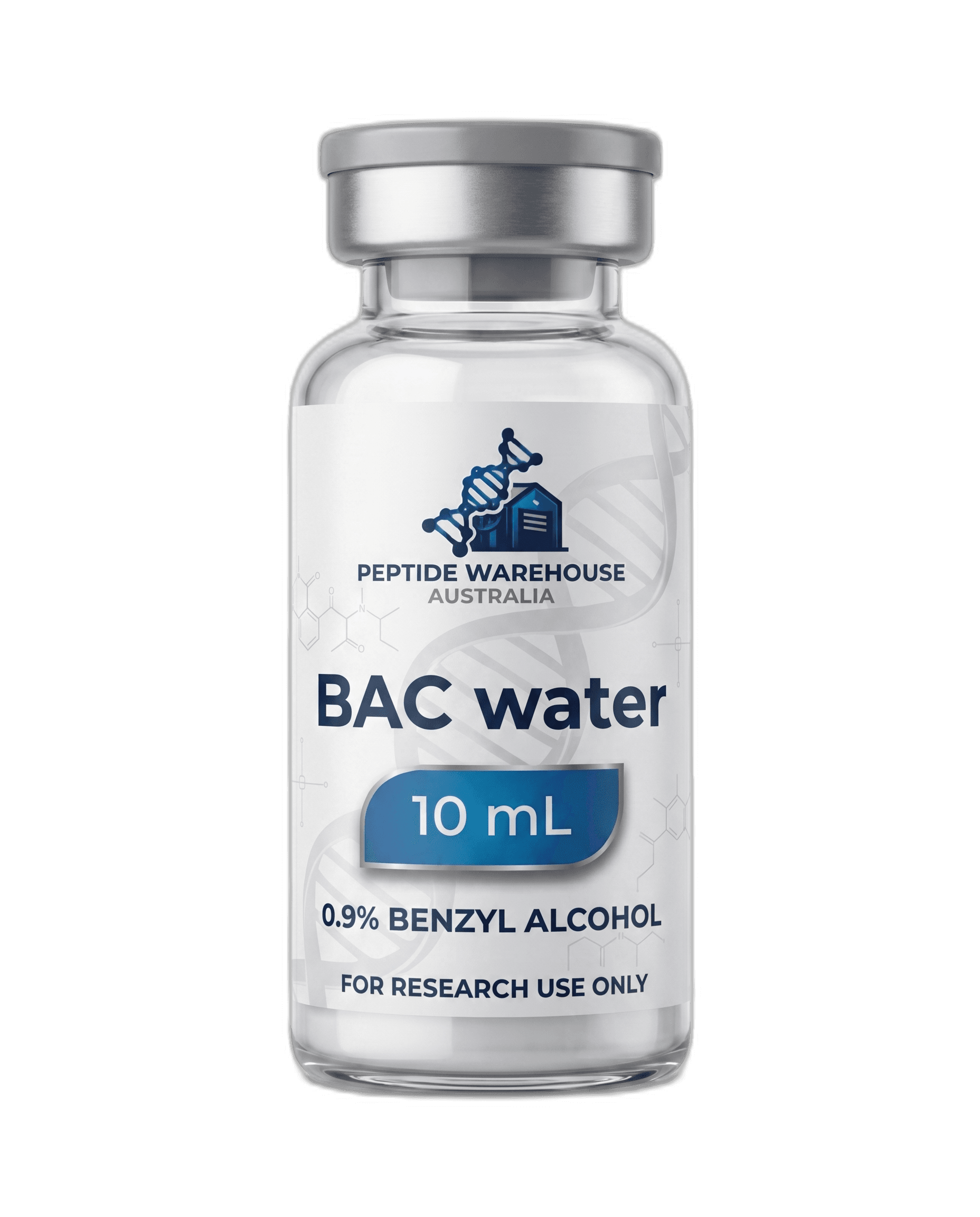
BAC Water
10mLLab Supplies
Pharmaceutical-grade bacteriostatic water 10mL for peptide reconstitution. Contains 0.9% benzyl alcohol preservative. Essential for lyophilised peptide research protocols.
$17.99AUD
Free shipping over $199
Out of Stock
Limited stock — only 3 remaining
Stock is running low. Order now to avoid missing out.
✓Free shipping on orders over $199 AUD
✓Australia Post tracked — Standard $8.99 / Express $13.99
✓Same-day dispatch on orders placed before 12PM AEST (next business day after)
GHK-Cu is available in Australia from Peptide Warehouse Australia with fast domestic shipping to all states and territories.
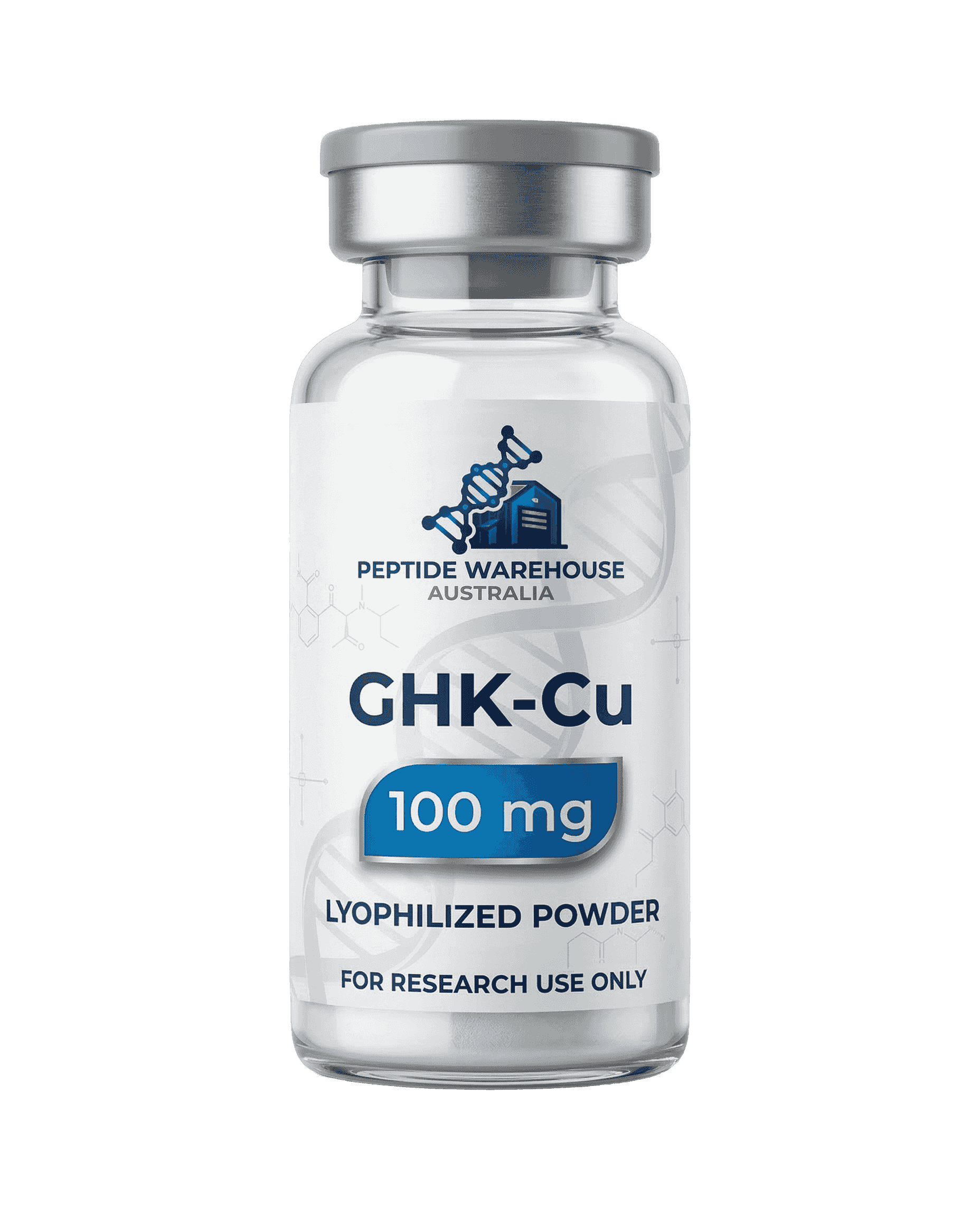
GHK-Cu is a naturally occurring copper peptide found in human blood and saliva. First isolated by Pickart in 1973, it has since become one of the most researched peptides in skin biology. Researchers study it for its ability to stimulate collagen and elastin production, support wound repair, and influence the biological processes involved in skin cell ageing and collagen remodelling. The 100mg vial format is ideal for extended research programmes that require a reliable, high-quality supply.
⚠ For in-vitro laboratory research use only. Not approved for human or veterinary use. Not drugs, food supplements, or cosmetics. Not evaluated or approved by the TGA. You must be 18 years of age or older to purchase. By placing this order, you confirm you are a qualified researcher and will use this compound strictly in accordance with all applicable Australian laws and regulations.
GHK-Cu (Copper Tripeptide-1) is the tripeptide glycyl-L-histidyl-L-lysine bound to a copper ion. The copper complex is studied for its influence on collagen and extracellular-matrix gene expression, antioxidant signalling and copper-dependent enzymatic processes associated with skin and tissue research.
| Purity | 99.3% (HPLC) |
|---|---|
| Compound Class | Copper tripeptide |
| CAS Number | 89030-95-5 |
| Molecular Weight | 340.38 Da (free peptide); ~403.91 Da (GHK-Cu copper complex) |
| Molecular Formula | C₁₄H₂₄N₆O₄ (free peptide) |
| Amino Acid Sequence | Gly-His-Lys |
| Testing | HPLC purity + mass spectrometry identity, COA verified |
| Storage | Lyophilised: −20°C · Reconstituted: 2–8°C, use within 28 days |
| Research Use | In-vitro laboratory research use only |
GHK-Cu is a naturally occurring tripeptide-copper complex found in human plasma, saliva, and urine. It consists of the tripeptide Gly-His-Lys chelated with a copper (Cu²⁺) ion. In preclinical research, GHK-Cu has been studied for wound healing and skin remodelling (collagen synthesis, MMP regulation), angiogenesis and tissue repair mechanisms, anti-inflammatory and antioxidant signalling pathways, and nerve regeneration models. It is one of the most studied copper peptides in dermatological and regenerative research. Supplied at 99.3% HPLC purity.
Reconstitution: Add 1–2mL of bacteriostatic water slowly down the inside glass wall of the vial using a 31G syringe. Gently swirl to dissolve. Important: GHK-Cu solution will appear slightly blue-green in colour due to the copper complex — this is normal and expected. Do not mistake the discolouration for contamination. The solution should be clear (not cloudy or particulate). Storage: Lyophilised — store at −20°C up to 24 months. Reconstituted — store at 2–8°C and use within 4 weeks, protected from light. The 100mg vial provides enough material for extended research protocols without frequent reconstitutions.
GHK-Cu is a small tripeptide (MW ~340 Da free peptide, ~403 Da as copper complex) that is commonly used in research at relatively higher molar concentrations compared to larger peptides. The 100mg size offers better cost-per-milligram efficiency for labs conducting cell culture, in-vitro assay, or extended research protocols. It also eliminates frequent reordering for active research programs. At 99.3% HPLC purity with full COA, the 100mg format delivers the same research-grade quality as our smaller sizes — just with greater flexibility.
Legal status: GHK-Cu is legal to purchase in Australia for legitimate research purposes. It is not a scheduled substance under the Poisons Standard when sold for research use. Not for human consumption, therapeutic, cosmetic, or veterinary use. Quality: Batch PW-260304, independently verified at 99.3% HPLC purity. COA includes: HPLC purity %, mass spectrometry identity confirmation (including copper complex verification), and sterility screening. Full COA available in our COA Library. Sourced from GMP-certified manufacturing facilities with full chain-of-custody documentation.
Published preclinical research has identified GHK-Cu activity across several signalling pathways: upregulation of collagen, elastin, and glycosaminoglycan synthesis via TGF-beta pathway modulation; regulation of matrix metalloproteinases (MMP-2, MMP-9) and their inhibitors (TIMP-1, TIMP-2), affecting extracellular matrix remodelling; induction of VEGF (vascular endothelial growth factor) expression, supporting angiogenesis models; activation of antioxidant gene expression including superoxide dismutase (SOD) and catalase; and modulation of the ubiquitin-proteasome system affecting protein turnover in ageing cell models. Not for human consumption — for research use only.
The blue-green colour of GHK-Cu in solution is a direct consequence of the copper(II) coordination chemistry. Cu²⁺ ions coordinated in a square-planar or distorted octahedral geometry with nitrogen and oxygen donors — as in the GHK-Cu complex — absorb light in the red-orange wavelength range (~600–700 nm), resulting in the characteristic blue-green appearance by transmitted light. This is the same principle behind the colour of copper sulfate solution and many other Cu²⁺ complexes. The colour intensity scales with concentration. A clear, blue-green solution indicates correct reconstitution; a cloudy or particulate solution would indicate a problem. Not for human consumption — for research use only.
GHK-Cu is frequently cited in dermatological research literature in the context of topical application models — it is one of the most studied peptides for skin biology research, including wound healing, collagen remodelling, and anti-ageing pathway investigation in skin cell and tissue models. Our GHK-Cu 100mg is supplied as a lyophilised research-grade powder intended for in-vitro laboratory use. Researchers working with topical formulation models would typically dissolve it in an appropriate aqueous vehicle suited to their experimental design. Not for human consumption or cosmetic use — for research use only.
GHK-Cu is the most extensively researched copper peptide in the scientific literature, with hundreds of published studies. It is distinct from other copper peptide complexes such as AHK-Cu (Ala-His-Lys-Cu) or GHK alone (without copper). The copper chelation in GHK-Cu is essential to many of its studied effects — the free tripeptide GHK has a different activity profile than the copper complex. Compared to synthetic copper peptides developed for cosmetic use (e.g., Lamin, Iamin), GHK-Cu has a vastly deeper research bibliography and is considered the reference standard for copper peptide biology research. Not for human consumption — for research use only.
GHK-Cu appears in preclinical literature examining hair-follicle biology, including studies on follicle cell cultures and markers associated with the hair growth cycle. As with its skin research, these are cell-culture and animal-model findings used to study follicle biology, not evidence of any cosmetic or therapeutic effect. Not for human consumption — for research use only.
Cosmetic products may list copper peptides at low, formulation-bound concentrations. Our GHK-Cu is a research-grade lyophilised powder supplied at ≥99% HPLC purity with a full COA and mass-spectrometry identity confirmation, intended for in-vitro laboratory research rather than topical or cosmetic use. The two are not interchangeable. Not for human consumption — for research use only.
GHK-Cu is widely known as the copper peptide, and by its formal name Copper Tripeptide-1. You may also see it written GHK copper, Cu-GHK or simply GHK. These all refer to the same copper-bound tripeptide studied in skin and tissue research. For in-vitro research use only.
Researchers typically pair GHK-Cu with these reconstitution essentials.
Pharmaceutical-grade bacteriostatic water 10mL for peptide reconstitution. Contains 0.9% benzyl alcohol preservative. Essential for lyophilised peptide research protocols.
Free shipping over $199

Sterile 31G insulin needles for research use — individually wrapped, single-use. Choose from 10, 20, 50 or 100 pack.
Free shipping over $199
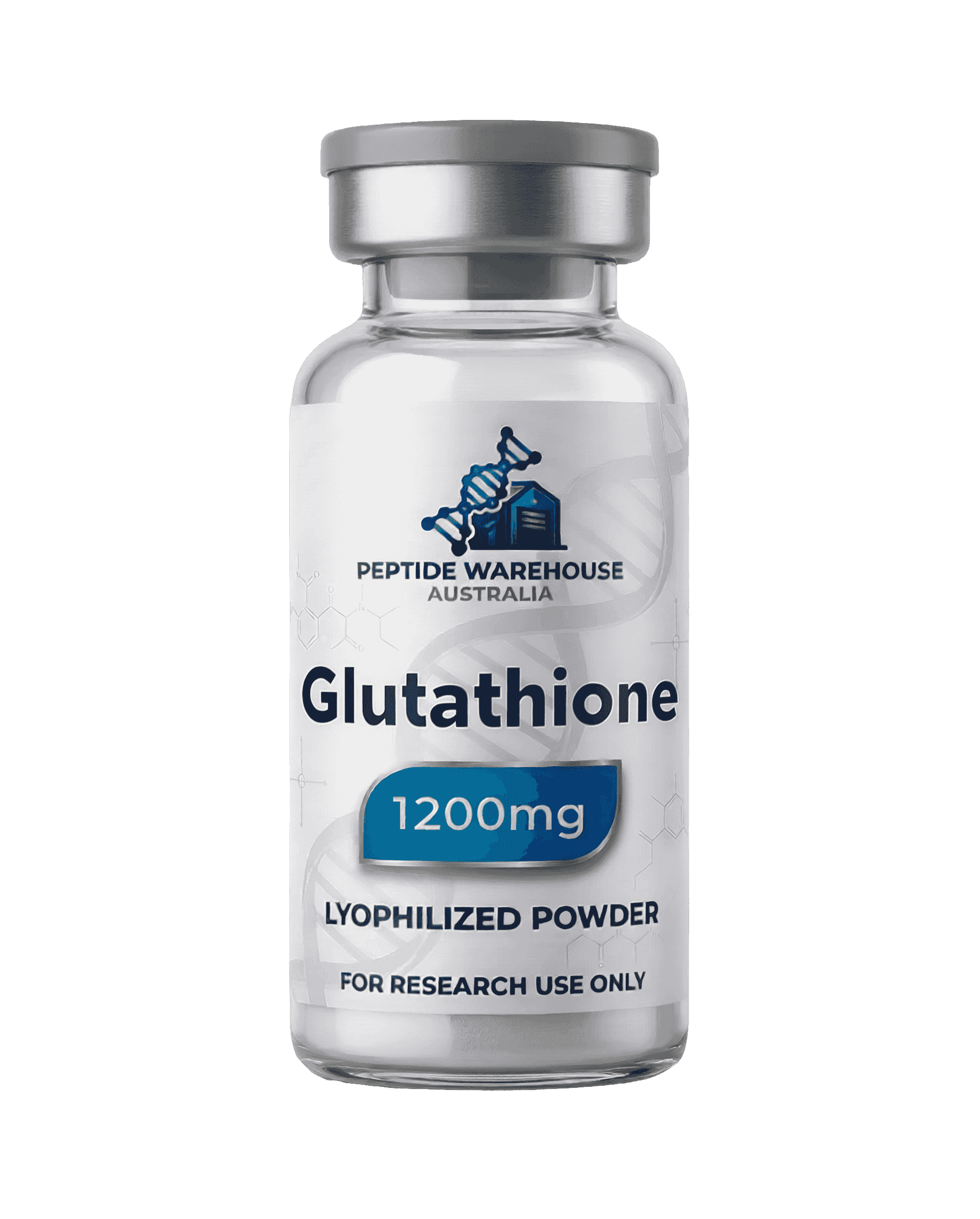
Research-grade Glutathione 1200mg lyophilised powder — 99.0% HPLC purity, COA verified. The body's primary intracellular antioxidant — high-dose format for oxidative stress, redox biology, liver detoxification, and cellular protection research.
Free shipping over $199
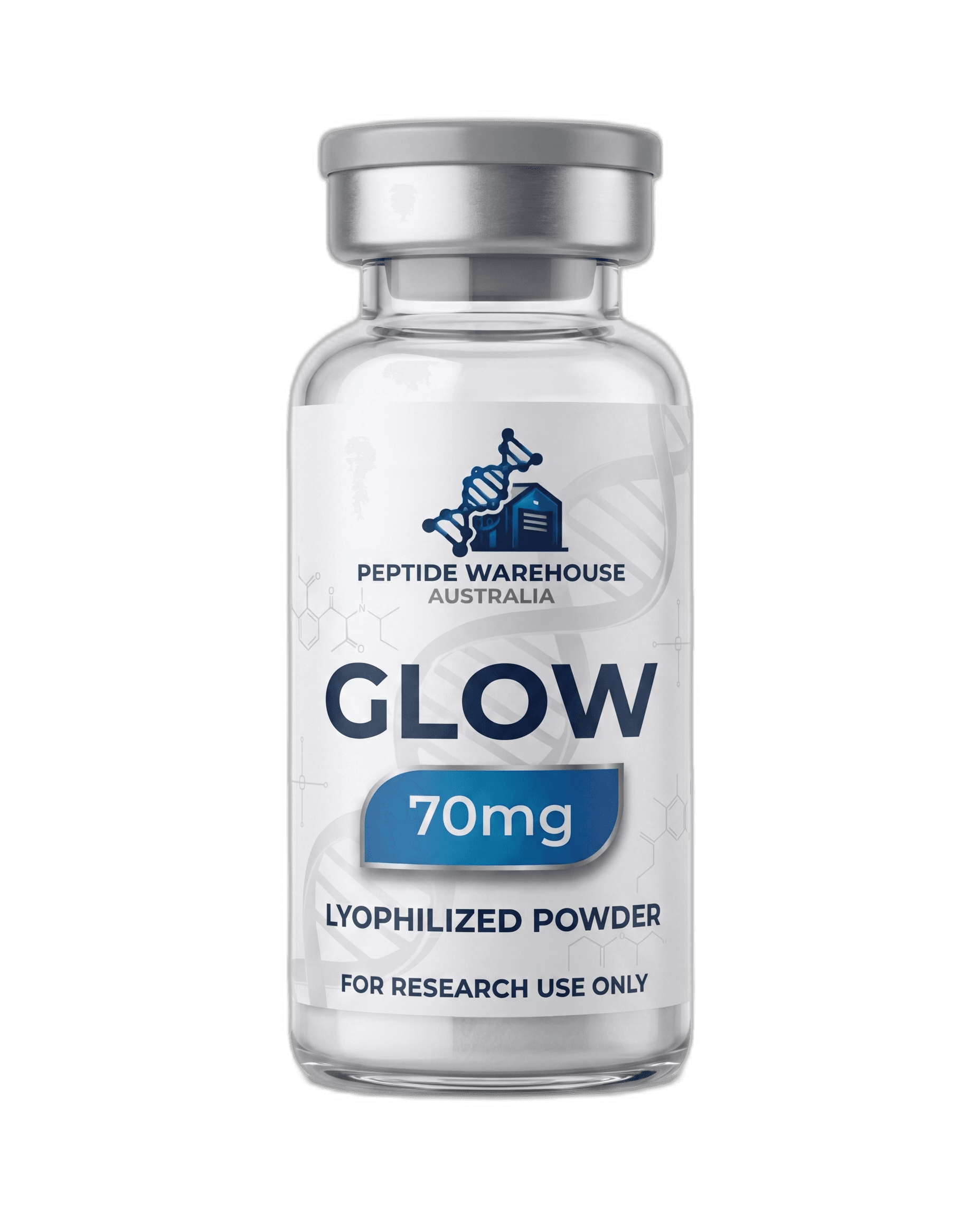
GLOW 70mg — tri-peptide research blend (GHK-Cu, BPC-157, TB-500) studied in skin-repair and tissue-recovery research. ≥99% HPLC purity, COA verified.
Free shipping over $199
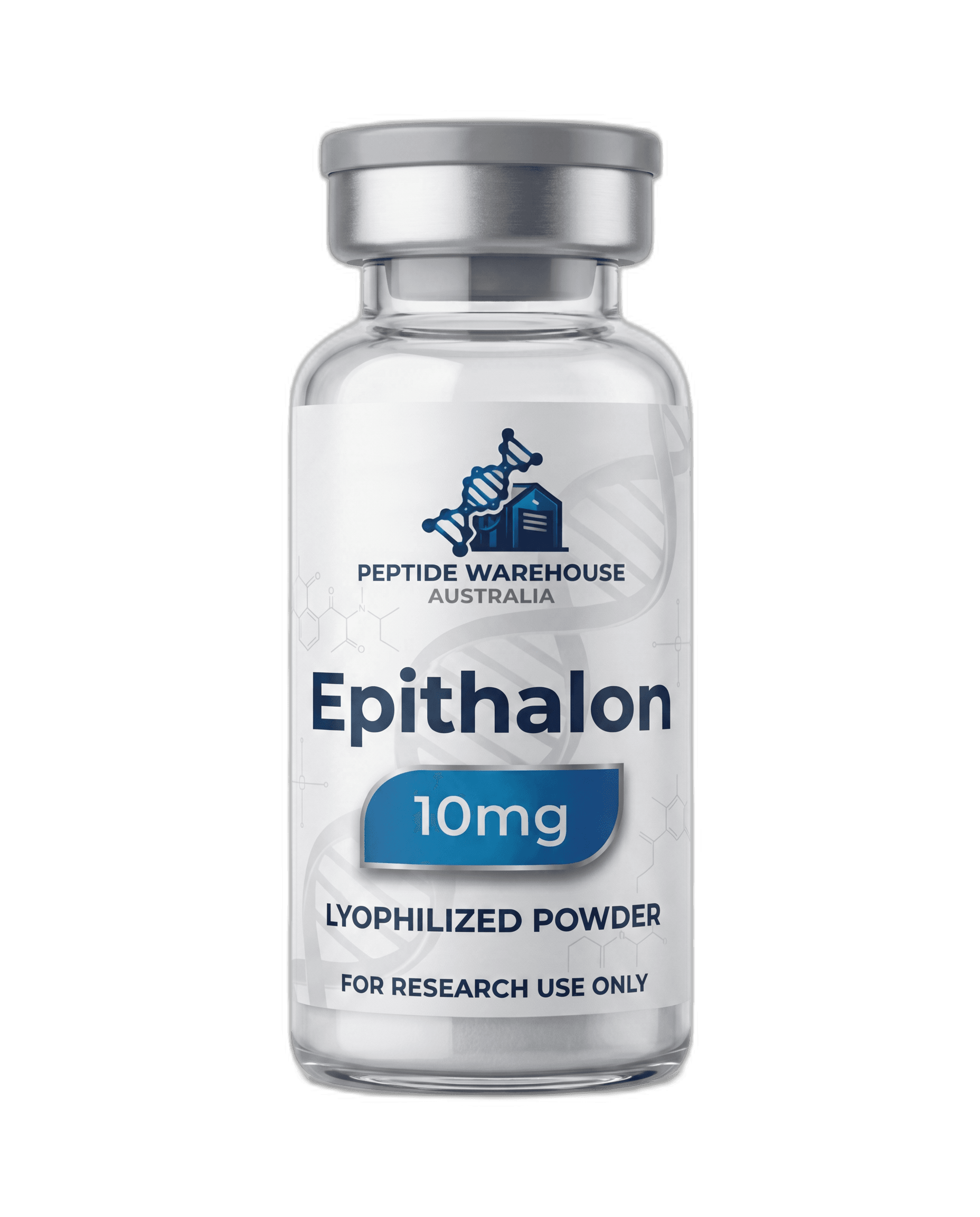
Epithalon (Epitalon, AEDG) — tetrapeptide studied in telomerase and cellular-ageing research. ≥99% HPLC purity, COA verified.
Free shipping over $199
GHK-Cu: Copper Peptide Research Guide
A detailed review of GHK-Cu (glycyl-L-histidyl-L-lysine copper complex) preclinical research, mechanisms, and protocols for tissue repair and skin biology research.
Research deep-dive →How to Reconstitute Peptides: A Step-by-Step Guide
Learn the correct technique for reconstituting lyophilised research peptides using bacteriostatic water for accurate, contamination-free preparations.
Step-by-step guide →Peptide Storage Guide: How to Maximise Stability
Proper storage is critical to maintaining peptide integrity. Learn the correct temperature requirements and handling practices for lyophilised and reconstituted peptides.
Read full article →Part of our
Skin & Cellular Research research collection →Or use our Peptide Calculator to work out reconstitution and syringe units for this compound.
Pricing, stock, and COA last verified June 2026
Your cart is empty
Add some research peptides to get started.