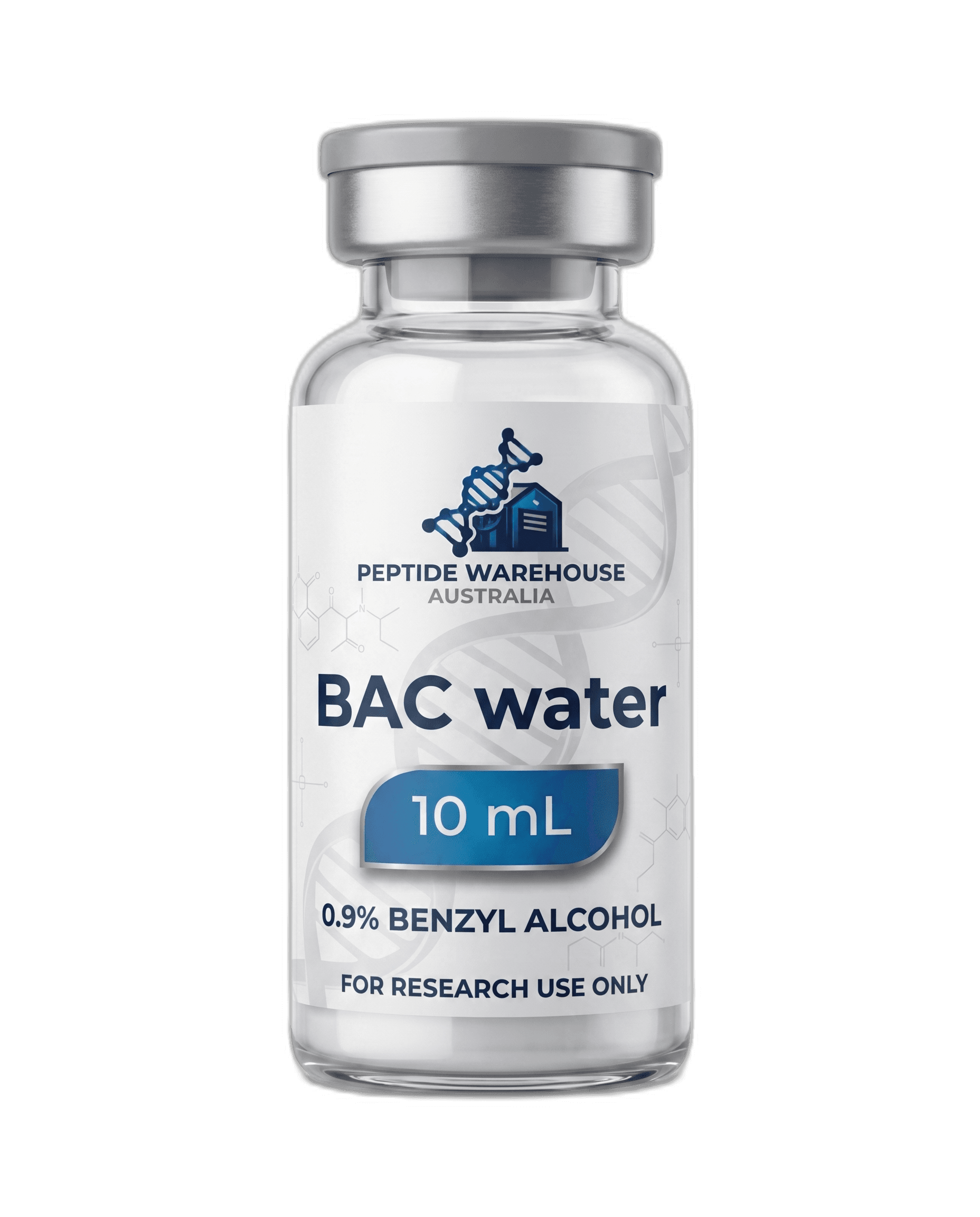
BAC Water
10mLLab Supplies
Pharmaceutical-grade bacteriostatic water 10mL for peptide reconstitution. Contains 0.9% benzyl alcohol preservative. Essential for lyophilised peptide research protocols.
$17.99AUD
Free shipping over $199
Out of Stock
Get notified when this item is available for immediate dispatch
✓Free shipping on orders over $199 AUD
✓Australia Post tracked — Standard $8.99 / Express $13.99
✓Same-day dispatch on orders placed before 12PM AEST (next business day after)
BPC-157 + TB-500 Blend is available in Australia from Peptide Warehouse Australia with fast domestic shipping to all states and territories.
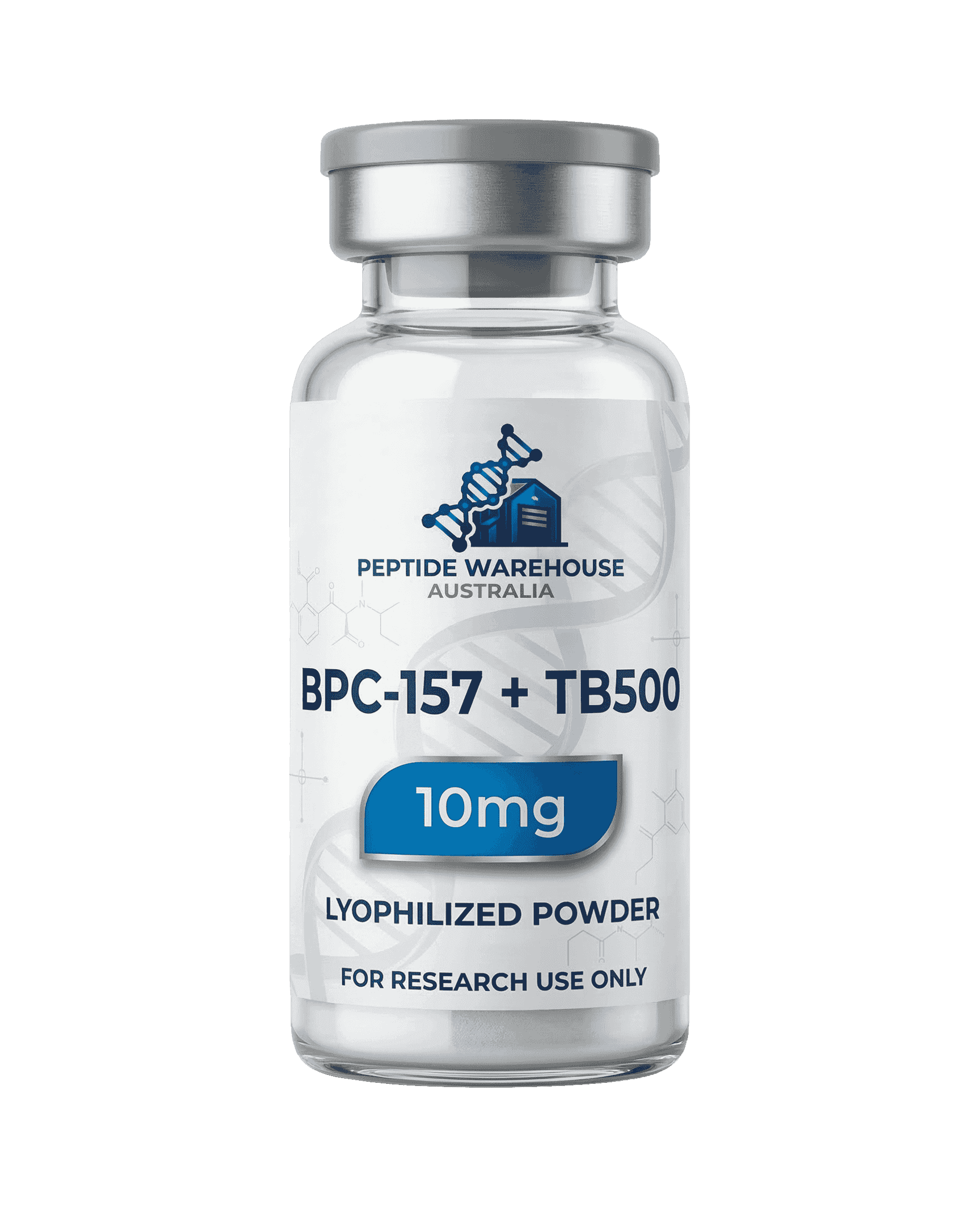
This blend combines two of the most researched tissue-repair peptides in a single convenient vial. BPC-157 is studied in gastrointestinal, tissue-repair, and anti-inflammatory models. TB-500 is studied for cell migration and angiogenesis in injured-tissue models. Because they act through entirely different biological pathways, researchers often combine them for broader coverage of tissue-repair pathways in preclinical models than either peptide provides alone. Each vial contains 5mg of BPC-157 and 5mg of TB-500, pre-blended and co-lyophilised for easy reconstitution.
⚠ For in-vitro laboratory research use only. Not approved for human or veterinary use. Not drugs, food supplements, or cosmetics. Not evaluated or approved by the TGA. You must be 18 years of age or older to purchase. By placing this order, you confirm you are a qualified researcher and will use this compound strictly in accordance with all applicable Australian laws and regulations.
This blend pairs BPC-157 (angiogenic and growth-factor-associated signalling) with TB-500 (actin regulation and cell migration). The two are studied together because they act through distinct but complementary tissue-repair pathways in research models.
| Purity | 99.0% (HPLC) |
|---|---|
| Compound Class | Synthetic peptide blend |
| Bundle Contents | 5mg BPC-157 + 5mg TB-500 (10mg total), pre-blended and co-lyophilised |
| BPC-157 Molecular Weight | 1419.53 Da |
| TB-500 Molecular Weight | 895.08 Da |
| Testing | HPLC purity + mass spectrometry identity, COA verified |
| Storage | Lyophilised: −20°C · Reconstituted: 2–8°C, use within 28 days |
| Research Use | In-vitro laboratory research use only |
Each 10mg vial contains an equal-ratio combination of 5mg BPC-157 (sequence: Gly-Glu-Pro-Pro-Pro-Gly-Lys-Pro-Ala-Asp-Asp-Ala-Gly-Leu-Val) and 5mg TB-500 (sequence: Ac-LKKTETQ). Researchers combine these two peptides because their mechanisms are thought to be complementary: BPC-157 acts via VEGFR2, nitric oxide, and FAK-paxillin pathway modulation; TB-500 acts primarily via actin-sequestering and cell migration promotion. By targeting different cellular pathways involved in tissue repair, the combination provides a broader research model than either compound alone. The blend format removes the need to prepare two separate vials, simplifying research protocols.
The blend reconstitutes identically to individual peptides. Draw 1–2mL of bacteriostatic water into a clean 31G syringe. Inject slowly down the inner glass wall of the vial. Gently swirl — do not shake or vortex — until the lyophilised powder is fully dissolved. The solution should be clear and colourless. With 1mL BAC water: each component is at 5mg/mL (BPC-157 5mg/mL + TB-500 5mg/mL). With 2mL: 2.5mg/mL each. Storage: Lyophilised at −20°C up to 24 months. Reconstituted at 2–8°C, use within 4 weeks, protected from light.
Legal status: Both BPC-157 and TB-500 are legal to purchase in Australia for laboratory research purposes. Neither is a scheduled substance under the Poisons Standard when sold for research use only. Not for human consumption, therapeutic, cosmetic, or veterinary use. Quality: Batch PW-260311, verified at 99.0% HPLC purity for the combined blend. Both components are independently quality-tested before blending. The COA covers: HPLC purity for each component, mass spectrometry identity confirmation (BPC-157: MW 1419.53 Da; TB-500: MW 895.08 Da), and sterility screening. Full COA available in our COA Library.
The blend is ideal when your research protocol uses both peptides at a 1:1 ratio — it simplifies preparation, reduces the number of vials to handle, and is more cost-effective than purchasing separately. If your research requires variable ratios of BPC-157 to TB-500 (e.g., 2:1, 1:2), or if you're studying each compound independently in separate assays, purchasing them separately gives more flexibility. We offer standalone BPC-157 10mg at /products/bpc-157 and the blend — choose based on your specific research design.
TB-500 is a synthetic peptide fragment derived from thymosin beta-4 (Tbeta4), a 43-amino acid protein. The active fragment commonly referred to as TB-500 has the sequence Ac-LKKTETQ (acetyl-Leu-Lys-Lys-Thr-Glu-Thr-Gln). Thymosin beta-4's primary mechanism involves sequestering G-actin (globular actin monomers), which regulates actin polymerisation dynamics and thereby influences cell migration, wound healing, and tissue remodelling. In preclinical research, TB-500 has been studied for promotion of endothelial and keratinocyte migration, cardiac tissue repair models, anti-inflammatory effects in muscle and connective tissue models, and systemic distribution to multiple tissue types. Not for human consumption — for research use only.
The 1:1 (5mg:5mg) ratio is the most widely used combination ratio in published preclinical literature and represents the standard starting point for dual-peptide tissue repair research. It provides equal molar availability of both compounds (accounting for their different molecular weights — BPC-157 at 1419.53 Da and TB-500 at 895.08 Da, so 5mg each represents different molar quantities). The 1:1 ratio by mass provides a practical, reproducible benchmark. Researchers requiring different ratios for mechanistic studies should purchase BPC-157 10mg at /products/bpc-157 and TB-500 separately to formulate custom ratios. Not for human consumption — for research use only.
Purchasing the blend vs. standalone BPC-157 10mg depends on your research design. The blend ($139.99) provides 5mg BPC-157 + 5mg TB-500 in a single vial — effectively two research compounds in one preparation at a lower combined cost than purchasing equivalent amounts separately. Standalone BPC-157 10mg ($89.99) at /products/bpc-157 gives you the full 10mg of BPC-157 alone, with no TB-500 — appropriate for research protocols requiring only BPC-157, higher BPC-157 doses, or independent compound analysis. Not for human consumption — for research use only.
Both BPC-157 and TB-500 are independently confirmed in the Certificate of Analysis for Batch PW-260311 via: HPLC analysis showing separate retention time peaks for each component, confirming their individual presence and purity; and mass spectrometry confirming both molecular weights (BPC-157: 1419.53 Da; TB-500: 895.08 Da) in a single vial. The COA is publicly available in our COA Library. For researchers requiring additional identity verification, the reconstituted blend can be analysed independently using standard HPLC-MS with reference standards for each peptide. Not for human consumption — for research use only.
The blend's reconstituted stability is comparable to the individual peptides reconstituted separately. Both BPC-157 and TB-500 are stable in aqueous solution at 2–8°C for up to 4 weeks when reconstituted in bacteriostatic water. The presence of both peptides in the same solution does not produce known stability interactions — they are chemically distinct peptides that do not react with each other in solution. Standard handling applies: avoid freeze-thaw cycling of the reconstituted solution, protect from light, and label with reconstitution date. Not for human consumption — for research use only.
The rationale for combining BPC-157 and TB-500 is based on their complementary mechanisms identified in separate preclinical studies. BPC-157's documented effects via the NO/VEGFR2/FAK-paxillin pathways act at different cellular nodes than TB-500's actin-sequestering and cell migration-promoting activity. Published rodent studies on each compound individually in tendon, muscle, and wound healing models form the evidence base. While head-to-head combination studies in a single controlled model are limited in the published literature, the mechanistic complementarity and the breadth of individual compound data underpin the combination's use in complex tissue repair research protocols. Not for human consumption — for research use only.
This combination of BPC-157 and TB-500 is informally called the Wolverine blend or the BPC/TB stack in research communities. For in-vitro research use only.
Researchers typically pair BPC-157 + TB-500 Blend with these reconstitution essentials.
Pharmaceutical-grade bacteriostatic water 10mL for peptide reconstitution. Contains 0.9% benzyl alcohol preservative. Essential for lyophilised peptide research protocols.
Free shipping over $199

Sterile 31G insulin needles for research use — individually wrapped, single-use. Choose from 10, 20, 50 or 100 pack.
Free shipping over $199
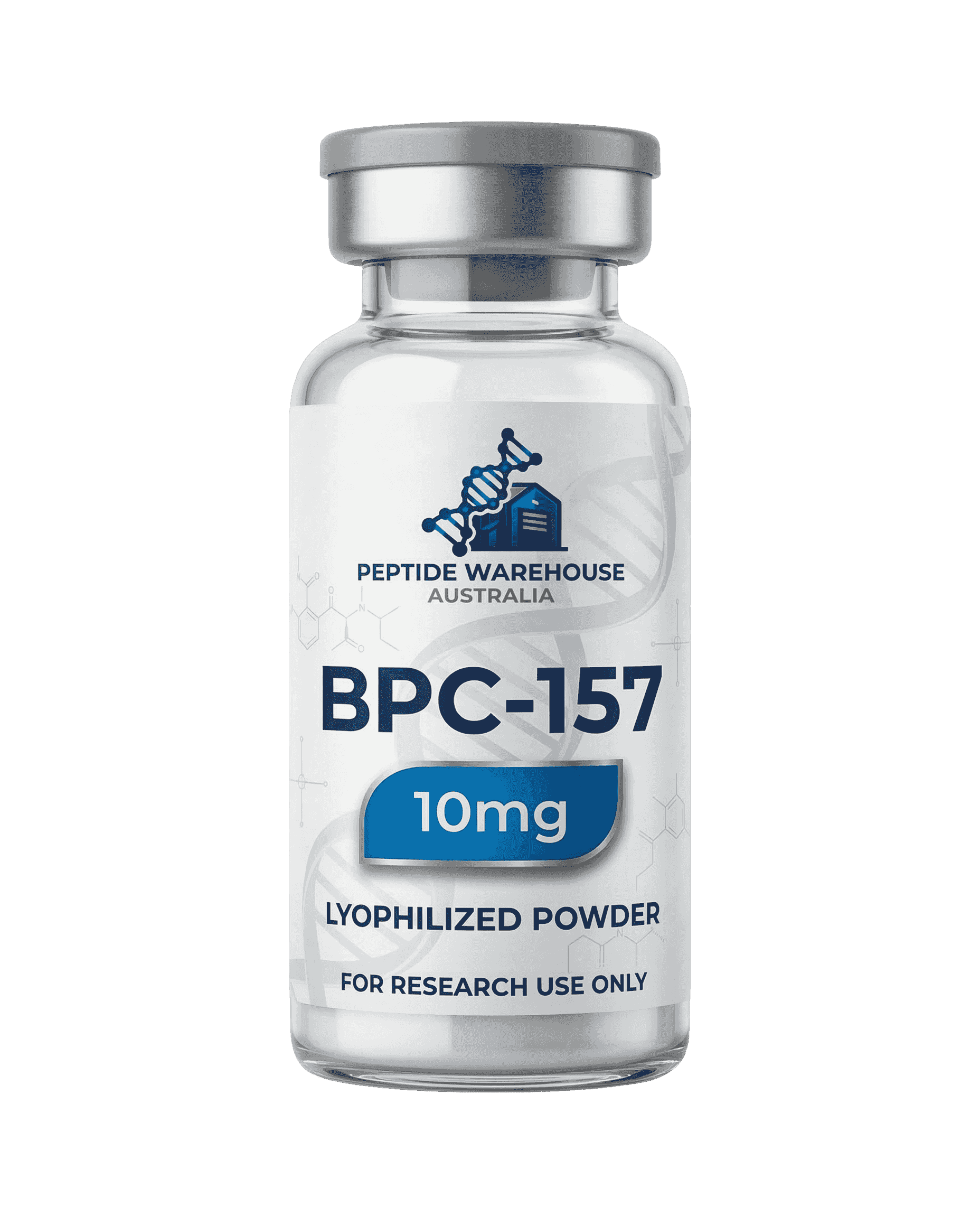
Research-grade BPC-157 10mg lyophilised powder. 99.2% HPLC purity, COA verified. Stable pentadecapeptide for tissue healing and gut research.
Free shipping over $199
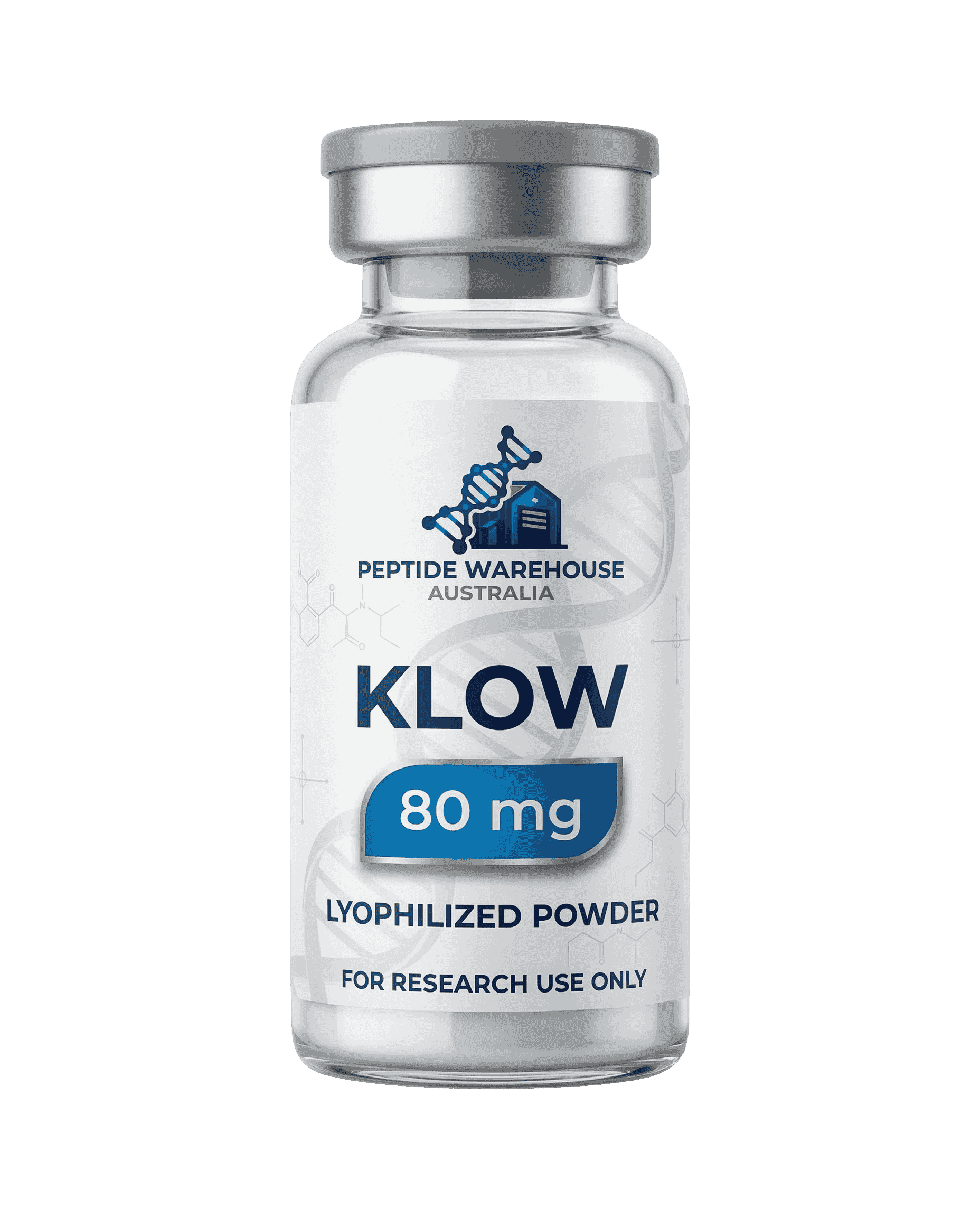
KLOW multi-peptide blend 80mg lyophilised powder. 99.0% HPLC purity, COA available online. Advanced synergistic peptide research formula.
Free shipping over $199
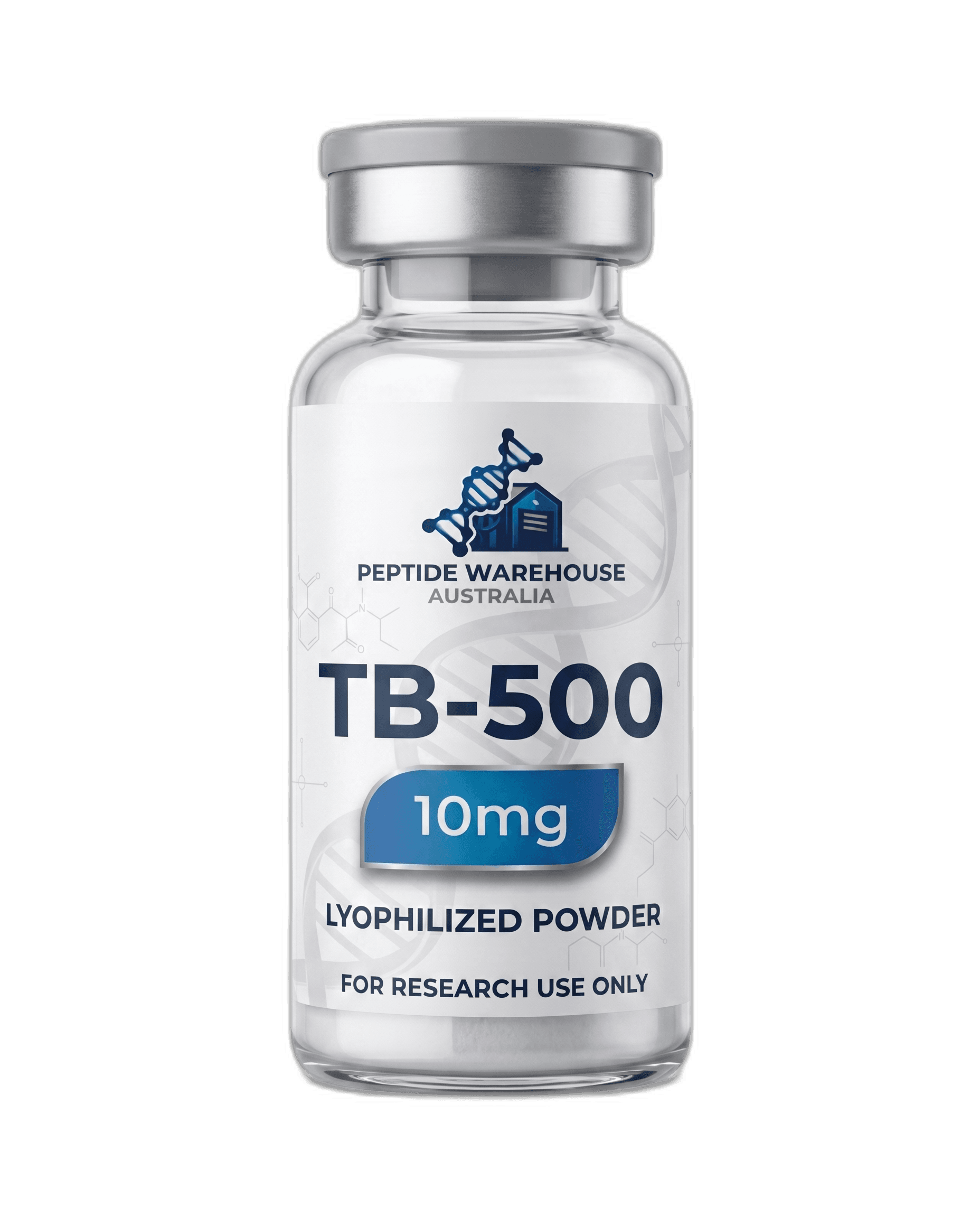
Research-grade TB-500 10mg lyophilised powder — 99.1% HPLC purity, COA verified. Thymosin beta-4 fragment studied for accelerated muscle, tendon, and ligament repair, angiogenesis, and anti-inflammatory activity in preclinical models.
Free shipping over $199

ARA-290 (Cibinetide) — non-erythropoietic EPO-derived peptide studied in tissue-protection and neuropathy research. ≥99% HPLC purity, COA verified.
Free shipping over $199
BPC-157 Research Overview: What the Science Shows
A comprehensive review of preclinical BPC-157 research including its studied mechanisms, molecular structure, and key findings from published literature.
Research deep-dive →What Is TB-500? Thymosin Beta-4 Research Guide
TB-500 is a synthetic peptide fragment of thymosin beta-4, studied for its roles in angiogenesis, actin regulation, and tissue repair. Here is what the current research shows.
Research deep-dive →How to Reconstitute Peptides: A Step-by-Step Guide
Learn the correct technique for reconstituting lyophilised research peptides using bacteriostatic water for accurate, contamination-free preparations.
Step-by-step guide →Part of our
Tissue Repair Research research collection →Or use our Peptide Calculator to work out reconstitution and syringe units for this compound.
Pricing, stock, and COA last verified June 2026
Your cart is empty
Add some research peptides to get started.